What are bioplastics and how do they differ from conventional plastics?
Not all plastic is the same
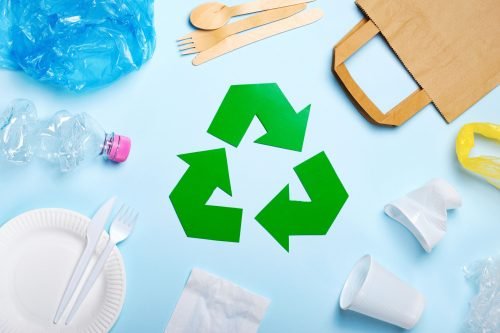
In public debate, terms like "biodegradable", "compostable" or "bio-based" are often used interchangeably, but they describe fundamentally different properties. Processors and brands looking to make a sound decision need to understand what's behind the labels.
What does "bio-based" mean?
A plastic is bio-based if its raw material comes from renewable sources, such as starch, cellulose, sugar or plant-based oils. This alone says nothing about whether the material is also biodegradable. A bio-based plastic may persist in the environment for just as long as a conventional petroleum-based plastic.
What does "biodegradable" mean?
Biodegradable plastics can be broken down by microorganisms under specific conditions into water, CO₂ and biomass. The key question is: under which conditions? Many materials marketed as biodegradable require industrial composting facilities with controlled temperature and humidity. In household waste, nature or even home compost they decompose poorly or not at all.
The difference: industrial vs. home compostable
The most important distinction in practice is between industrially compostable and home compostable materials:
- Industrially compostable (e.g. many PLA types): decomposition only in certified composting plants above 60 °C.
- Home compostable: decomposition also under the mild conditions of a normal home compost heap, without infrastructure.
EN 13432 defines the requirements for industrially compostable materials. An even more demanding category are materials that decompose under home composting conditions, and that is exactly where comp I verde comes in.
What makes comp I verde special?
comp I verde from BIOAFFIN is a compound specifically developed for home composting. In a degradation study following the ÖNORM EN 13432:2008 methodology, a flower pot made from comp I verde reached a documented 97% degradation within 28 days, under real home compost conditions, verified by an independent institute.
In addition, comp I verde contains minerals that are released into the soil during decomposition, improving water absorption. The material not only leaves no harm behind, it actively enriches the soil.
Benefits of bioplastics at a glance
Bioplastics deliver ecological and strategic benefits that go beyond raw material sourcing alone.
| Benefit | Description |
|---|---|
| Renewable raw materials | Independence from fossil resources such as crude oil and natural gas, reducing exposure to price volatility. |
| Reduced CO₂ footprint | Plants bind CO₂ as they grow, which can significantly improve the carbon balance over the entire product life cycle. |
| Biodegradability | Suitable compounds break down in compost into water, CO₂ and biomass, with no microplastic residues. |
| Brand impact and compliance | Meeting upcoming EU regulations such as the PPWR and credibly communicating sustainability to end customers. |
Challenges and limitations
Despite these benefits, processors and brand owners should plan realistically for the trade-offs as well.
| Challenge | Description |
|---|---|
| Higher material cost | Bioplastic compounds typically cost more per kilogram than standard polymers, with the premium often offset by stronger market positioning. |
| Recycling infrastructure | Established collection and sorting systems are tuned for conventional polymers, while biodegradable materials need a compost or organic waste stream. |
| Land use competition | Cultivation of plant-based feedstocks must not conflict with food production, which can be steered through feedstock selection. |
| Need for education | Terms such as biobased, biodegradable and compostable are often confused in the market, so clear labelling and communication matter. |
Conclusion for processors and brands
Choosing a sustainable plastic depends on the specific application and the intended disposal path. If you want to offer truly home compostable products, you need a material that reliably decomposes without industrial infrastructure, and that can be proven through appropriate testing.
If you'd like to know whether comp I verde fits your application, get in touch with us directly.